Encyclopedia · Time and power
Almohad Caliphate
1121–1269 Berber empire in North Africa and Iberia.148 years of history.
On the timeline of history
Subjects and citizens: Ibn Arabi (1165–1240), Ibn Tufayl (1110–1185), Ibn Tumart (1078–1130), Abu Yusuf Yaqub al-Mansur (1160–1199)
Succession
Facts
- Capital
- Tinmel
- From
- 1121
- To
- 1269
Fields in this country
Left — born here, right — died here.
- 1Military
Timeline by century
How many notable people were born and died here in each century.
- 112th century
Subjects and citizens · 18
Show all (18)- Arabi1165–1240
- Tufayl1110–1185
- Tumart1078–1130
- al-Mansur1160–1199
- Zuhr1091–1162
- al-Nasir1181–1213
- al-Marrakushi1256–1321
- al-Bunid. 1225
- al-Alami1163–1227
- al-Mutadid≈1210–1248
- al-Marrākushī1185–1249
- Zayd1195–1268
- al-Shushtari1212–1269
- as-Sabti1129–1204
- al-Rundi1204–1285
- al-Azafi1162–1236
- al-Isybili1108–1179
- al-Jazuli1146–1211
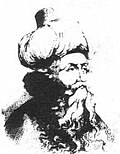


Photo: Wikimedia Commons
Born here · 1
Show all (1)Photo: Wikimedia Commons
Members of the dynasty · 1
Abu Yusuf Yaqub al-Mansur (1160–1199)
Photo: Wikimedia Commons
See also
In short
Almohad Caliphate — 1121–1269 Berber empire in North Africa and Iberia. Existed 1121–1269 (148 years). Capital — Tinmel. Predecessors — Almoravid dynasty, Fatimid Caliphate and Hammadid dynasty; successors — Kingdom of Portugal, Kingdom of Leon and Kingdom of Castile. Subjects and citizens: Ibn Arabi, Ibn Tufayl, Ibn Tumart, Abu Yusuf Yaqub al-Mansur, Ibn Zuhr and Muhammad al-Nasir. Born here: Abu Yusuf Yaqub al-Mansur. Members of the dynasty: Abu Yusuf Yaqub al-Mansur.
Data — Wikidata (CC0): dates, places and links as in the source. Portraits — Wikimedia Commons. Map borders are modern (Natural Earth).
How we counted
Dates, links, participants and rulers come from Wikidata: heads P35/P6 and holders of head offices, parts P361, participants P710, predecessors and successors P1365/P1366/P155/P156.
Duration is in full years between start and end; for existing ones — up to the current year.
People by role — up to 24 best known in the role; the number is how many in total.
This is a sample of our base, not all of history: Wikidata covers Europeans, men and the 19th–20th centuries best.
Data: Wikidata (CC0); portraits: Wikimedia Commons (each file has its own licence).