Stats of the greats · 01 of 08
How long the greats lived
People in “Science” lived longest — median 75 years; those in “Military” the shortest: 65 years.
And you?
36years — your age
Each ridge shows how many of the greats died at each age. The higher the peak, the more people.
Drag the age line — or run along the ridges
The database holds people who became famous: those who died as children are barely there, so this is not the life expectancy of an era. The living are not counted. Only centuries with at least 100 people are shown.
And you?
36years — your age
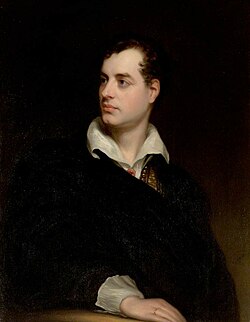
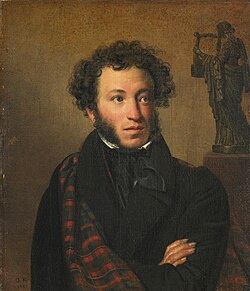
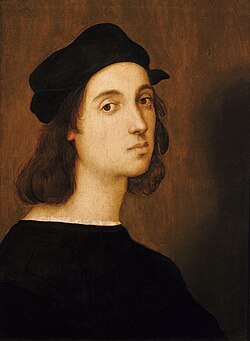
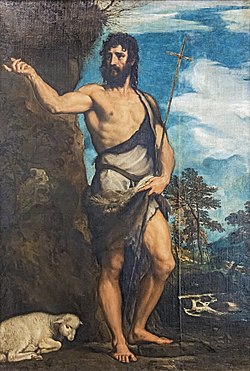
Died at 36 — your age now
Famous people in the sample whose lives ended at your age (± 1 year).






What the ridges show
Median by century: from 64 years to 19 years
The ridges drift right: the later someone in the database was born, the longer they usually lived.
One in ten in the 21st century — past 23 years
The right edge of the 20th-century ridge runs past 90: there are more and more long-livers among the greats.
Shortest — “Military”: 65 years
This field’s ridge leans left more than the others: early deaths are more common in it.
See also
More from Stats of the greats
- The 27 ClubDraw your guess first — then see whether geniuses really die at 27 more often
- Age of masterpiecesAt what age the great books, paintings and symphonies were made — and what you have done by yours
- My life in historyWhich greats you have already outlived, who your peers are and what the world was like when you were 10, 18 and 30.
How we counted
Age at death is the difference between Wikidata birth and death dates (P569/P570), precise to at least a year; the living are excluded, and so are longevity legends (born before 1800 and over 105).
A ridge is a density estimate (Gaussian kernel, 4.2 years wide) from a sample of up to 200 of the most famous people in the group; quantiles are computed on the server over the whole group. “Died before your age” uses the same sample.
Centuries go by year of birth (1801–1900 is the 19th century). Groups under 100 people (centuries) and 20 (fields) are not drawn.
Based on 599,888 people in our database. It is not the whole of Wikidata yet, only part of it, with more rulers, scientists and writers than ordinary people. The sample is skewed: read it as a sketch, not a law of nature.
This is a sample of our base, not all of history: Wikidata covers Europeans, men and the 19th–20th centuries best.
Data: Wikidata (CC0); portraits: Wikimedia Commons (each file has its own licence).