How the greats died
Most of the greats died a natural death. 28% did not: murdered, executed, by their own hand, in battle or by accident.
For example · not a natural death


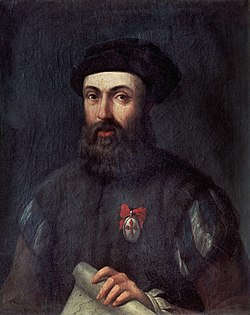
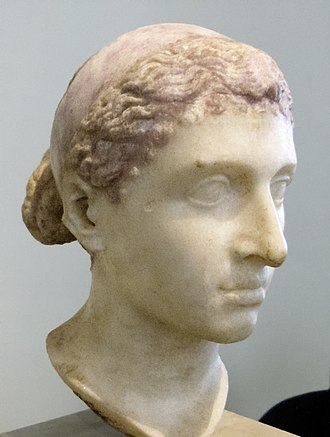
Photo: Wikimedia Commons
72%natural death
28%not a natural death








What they died of
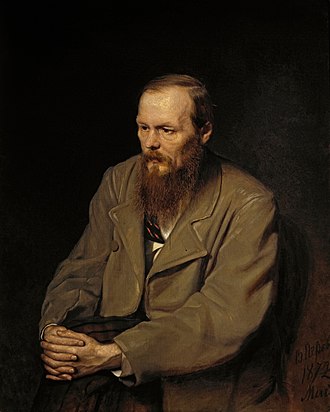
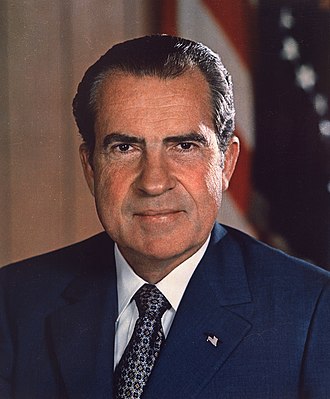
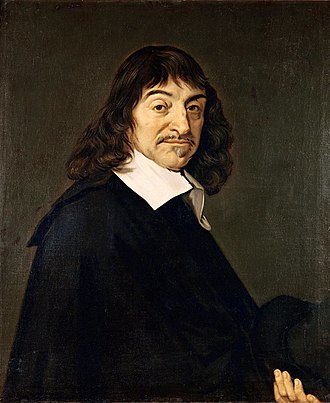
Causes of death as recorded in Wikidata. One mark — 5 people; faces — the best known with that cause.
Cause and manner are different properties: “hanging” can be an execution or a suicide. Records are patchy: a cause is known for 63,533 people in the database.
A duel is almost never recorded as the manner of death: those killed in duels are usually marked “homicide” with “gunshot wound” as the cause. Pushkin is among the murdered in the grid.
Myocardial infarction7,932 people


Cancer6,970 people


Pneumonia3,579 people


Disease3,222 people


Traffic collision3,019 people


Gunshot wound3,014 people


Stroke2,492 people


Lung cancer2,414 people


COVID-192,178 people


Tuberculosis1,891 people


Hanging to death1,845 people


Heart failure1,706 people


See also
The same people from another angle
- How long the greats livedAge ridges by century and your own line: how many born in the 15th and the 20th century reached your age
- How the greats diedA story: long lives, the 27 Club, smallpox and heart attacks, duels and executions
- Share of womenHow many women there are among the famous of each century — and why so few
How we counted
Manner of death is Wikidata property P1196: natural, accident, suicide, homicide, capital punishment, killed in action. Shares are counted only over people who have it recorded; the grid has 100 cells, rounded by the largest-remainder method (the sum is exactly 100).
Faces in the cells are examples, not “one person = one per cent”. Besides the examples of the manner itself, the “natural death” block shows people who died of diseases (cause P509 is an illness: heart attack, pneumonia, tuberculosis and so on).
Cause of death (P509) is a separate property filled in differently, so its totals don’t match the manners.
The manner of death is recorded for 80,267 people in the database.
This is a sample of our base, not all of history: Wikidata covers Europeans, men and the 19th–20th centuries best.
Data: Wikidata (CC0); portraits: Wikimedia Commons (each file has its own licence).