Stats of the greats · 02 of 08
The 27 Club
They say geniuses often die at 27. How many of the greats do you think died at that age?
The 27 bar is empty — drag it






















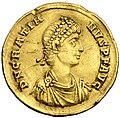








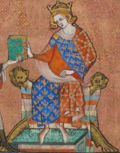





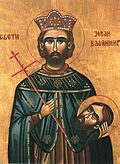





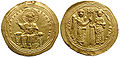















































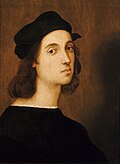





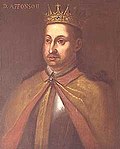


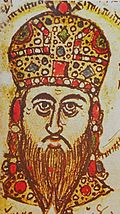











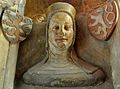


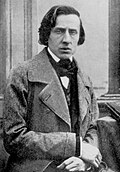




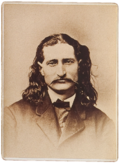



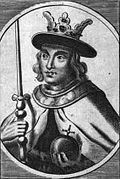


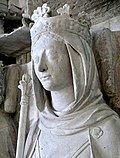







































































age at death, years
The 27 bar is empty — drag it
Died at 27 37
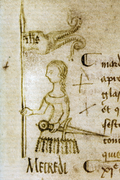
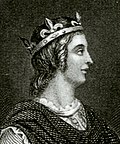
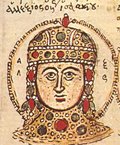
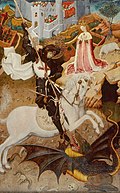
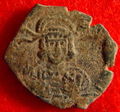
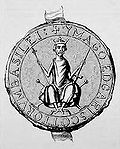
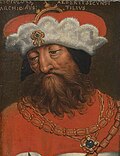
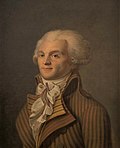
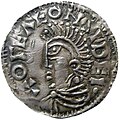
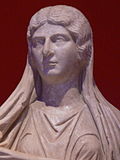
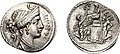
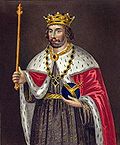
Everyone in the sample who died at 27 — from medieval monarchs to painters.
- 27Amy Winehouse
- 27Jim Morrison
- 27Jimi Hendrix
- 27Kurt Cobain
- 27Janis Joplin
- 27Charles VIII of France
- 27Ahmed I
- 27Murad IV
- 27John XII
- 27Brian Jones
- 27Robert Johnson
- 27Masaccio
- 27Gregory V
- 27Andrés Escobar
- 27Michael III
- 27Konstantinos VI
- 27Isabel of Aragon
- 27Michael V Kalaphates
- 27Enrique III of Castile
- 27Arsinoe IV of Egypt
- 27Ladislaus IV of Hungary
- 27Umm Kulthum bint Muhammad
- 27Geoffrey II
- 27Dagobert II
- 27William II of Holland
- 27Bruttia Crispina
- 27Theudebert II
- 27Khalil Sultan
- 27Persius
- 27Emperor He of Han
- 27Muhammad ibn Abi Bakr
- 27Grifo
- 27Gaius Marius the Younger
- 27Attica
- 27Liu Shao
- 27Scorpus
- 27Seleucus


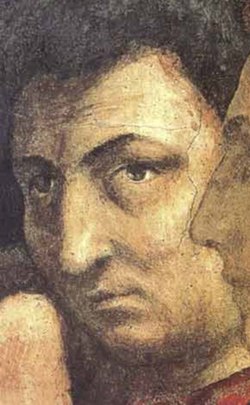




Photo: Wikimedia Commons
Where the legend comes from
Joplin, Hendrix, Morrison, Cobain, Winehouse
Five loud rock deaths over forty-odd years — the legend rests on them, not on statistics.
The peak — 60 years
The greats most often died at 60 years: like everyone else, most of them grew old.
Lived to 90 — 236
There are 6.4 times more people over 90 in the sample than people who died at 27.
See also
More from Stats of the greats
- How long the greats livedAge ridges by century and your own line: how many born in the 15th and the 20th century reached your age
- How the greats diedA hundred faces, a hundred fates: natural death, war, the scaffold, the duel
- Age of masterpiecesAt what age the great books, paintings and symphonies were made — and what you have done by yours
How we counted
Age at death comes from Wikidata birth and death dates (P569/P570). The sample is up to 200 of the most famous people of every century and every field, without repeats — so it holds both ancient rulers and 20th-century musicians.
27 “stands out” if deaths at 27 are one and a half times the average of 25, 26, 28 and 29, and there are at least five. A guess is “nearly right” if it is within a quarter of the truth.
Based on 6,036 people in our database. It is not the whole of Wikidata yet, only part of it, with more rulers, scientists and writers than ordinary people. The sample is skewed: read it as a sketch, not a law of nature.
This is a sample of our base, not all of history: Wikidata covers Europeans, men and the 19th–20th centuries best.
Data: Wikidata (CC0); portraits: Wikimedia Commons (each file has its own licence).