Encyclopedia · Time and power
Ancient Egypt
Egyptian civilization from the 4th millennium BC.State, 4th millennium BC — 386 people in the data.
On the timeline of history
Subjects and citizens: Tutankhamun (≈1324 BC–1343 BC), Ramesses II (≈1303 BC–1213 BC), Nefertiti (≈1370 BC–1330 BC), Akhenaten (d. 1336 BC)
Succession
Facts
- From
- 4th millennium BC
- To
- 30 BC
- Country coordinates
- 29.8° · 31.3°
Fields in this country
Left — born here, right — died here.
- 7Religion5
- 5Other3
- 4Politics3
- 4Painting3
- 2Science2
- 1Literature
- 1Music
Timeline by century
How many notable people were born and died here in each century.
- 15th century
- 14th century
- 13rd century
- 11st century BC
- 113rd century BC
- 113th century BC
- 1117th century BC
Subjects and citizens · 346
Show all (346)- Tutankhamun≈1324 BC–1343 BC
- Ramesses II≈1303 BC–1213 BC
- Nefertiti≈1370 BC–1330 BC
- Akhenatend. 1336 BC
- Hatshepsut≈1507 BC–1458 BC
- Khufud. 2566 BC
- Imhotep
- Thutmose III≈1481 BC–1425 BC
- Seti I≈1323 BC–1279 BC
- Djoser
- Narmerd. 3050 BC
- Amenhotep III≈1400 BC–1351 BC
- Philadelphus308 BC–246 BC
- Khafra≈2612 BC–2530 BC
- Menes≈3200 BC–3125 BC
- Ramesses III≈1217 BC–1155 BC
- Ahmose I≈1560 BC–1525 BC
- Ramesses Id. 1290 BC
- Sneferud. 2609 BC
- Nefertari1290 BC–1255 BC
- Philopator62 BC–47 BC
- Manetho
- Ayd. 1319 BC
- Amenhotep I1527 BC–1506 BC
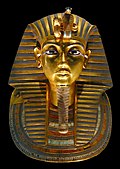


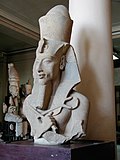





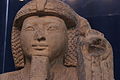


Photo: Wikimedia Commons
Born here · 24
Show all (24)- Nefermaat
- Ahmes≈1660 BC–1620 BC
- Peseshet
- Sheshi
- Tyti
- Djedefhor
- Amun≈294–356
- Paisios320–417
- Palaephatus
- Nebamun
- Mentuhotep
- Agathoclea≈247 BC–203 BC
- Minkhaf I
- Petosiris
- Bebi
- Akhethetep
- Khuwyt
- Inykhnum
- Nefer-Setekh
- Tjefi
- Akhethetep
- Aacheperkareseneb
- Innocentiusd. 302
- Paphnutius


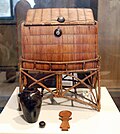


Photo: Wikimedia Commons
Died here · 16
Show all (16)- Imhotep
- Seti I≈1323 BC–1279 BC
- Thaïs
- Ahmes≈1660 BC–1620 BC
- Peseshet
- Djedefhor
- Crus≈98 BC–48 BC
- Paisios320–417
- Nebamun
- Agathoclea≈247 BC–203 BC
- Akhethetep
- Inykhnum
- Nefer-Setekh
- Tjefi
- Akhethetep
- Paphnutius

Photo: Wikimedia Commons
See also
In short
Ancient Egypt — Egyptian civilization from the 4th millennium BC. Existed 4000 BC–30 BC. Predecessors — Prehistoric Egypt; successors — Medieval Egypt. Subjects and citizens: Tutankhamun, Ramesses II, Nefertiti, Akhenaten, Hatshepsut and Khufu. Born here: Nefermaat, Ahmes, Peseshet, Sheshi, Tyti and Djedefhor. Died here: Imhotep, Seti I, Thaïs, Ahmes, Peseshet and Djedefhor.
Data — Wikidata (CC0): dates, places and links as in the source. Portraits — Wikimedia Commons. Map borders are modern (Natural Earth).
How we counted
Dates, links, participants and rulers come from Wikidata: heads P35/P6 and holders of head offices, parts P361, participants P710, predecessors and successors P1365/P1366/P155/P156.
Duration is in full years between start and end; for existing ones — up to the current year.
People by role — up to 24 best known in the role; the number is how many in total.
This is a sample of our base, not all of history: Wikidata covers Europeans, men and the 19th–20th centuries best.
Data: Wikidata (CC0); portraits: Wikimedia Commons (each file has its own licence).