Encyclopedia · Time and power
House of Bernadotte
Royal house of Sweden.57 members on the timeline, born from 1946 (Carl XVI Gustaf of Sweden) to 1938 (Countess Madeleine Bernadotte). Reigns: 11.
The house on the timeline
Hover over a line for years and reigns; click to open the profile
- Literature
- Politics
- Music
- Painting
- Science
- Sport
- Military
- Other
Founder
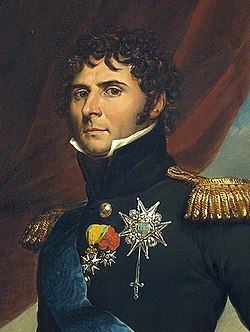
Kinship
Members · 57
Page 1 of 4
- Carl XVI Gustaf of Swedenb. 1946Sweden
- Charles XIV John of Sweden1763–1844Sweden · Norway
- Victoria, Crown Princess of Swedenb. 1977
- Gustaf VI Adolf of Sweden1882–1973Sweden
- Gustaf V of Sweden1858–1950Sweden
- Oscar II of Sweden1829–1907Sweden · Norway
- Oscar I of Sweden1799–1859Sweden · Norway
- Carl XV of Sweden1826–1872Sweden · Norway
- Queen Silvia of Swedenb. 1943
- Prince Carl Philip, Duke of Värmlandb. 1979
- Princess Madeleine, Duchess of Hälsingland and Gästriklandb. 1982
- Astrid of Sweden1905–1935
- Princess Märtha of Sweden1901–1954
- Princess Estelle, Duchess of Östergötlandb. 2012
- Ingrid of Sweden1910–2000
- Louise of Sweden1851–1926
- Prince Daniel, Duke of Västergötlandb. 1973
- Princess Sofia, Duchess of Värmlandb. 1984




Countries and states

In short
House of Bernadotte — Royal house of Sweden. The site has 57 members, 1754–2026; the best known are Carl XVI Gustaf of Sweden, Charles XIV John of Sweden, Victoria, Crown Princess of Sweden, Gustaf VI Adolf of Sweden, Gustaf V of Sweden and Oscar II of Sweden. Rulers: Charles XIV John of Sweden, Oscar I of Sweden, Carl XV of Sweden, Oscar II of Sweden, Gustaf V of Sweden and Gustaf VI Adolf of Sweden. Founder: Charles XIV John of Sweden.
Data — Wikidata (CC0): dates, places and links as in the source. Portraits — Wikimedia Commons. Map borders are modern (Natural Earth).
How we counted
Data: Wikidata (CC0) and Wikimedia Commons (each image has its own licence — linked under the picture). The page shows only people and works that have their own page on the site; full counts come from the database. Lives without a known year of death are drawn as open lines.
This is a sample of our base, not all of history: Wikidata covers Europeans, men and the 19th–20th centuries best.
Data: Wikidata (CC0); portraits: Wikimedia Commons (each file has its own licence).