Movement
Platonism
Philosophical theory that includes affirming the existence of abstract objects.25 people on the timeline: Plato, Xenocrates and Carneades. The core were born in 407 BC–1446.
Members on the timeline
Hover over a line for the lifespan; click to open the profile
The timeline shows 15 of 25; all are listed below.
Representatives · 25
All representatives- Plato≈428 BC–348 BC
- Xenocrates396 BC–314 BC
- Carneades213 BC–129 BC
- Arcesilaus315 BC–240 BC
- A. o. Ascalon130 BC–68 BC
- Speusippus407 BC–339 BC
- Ponticus≈385 BC–322 BC
- Larissa159 BC–84 BC
- Clitomachus187 BC–110 BC
- Polemond. 270 BC
- Crantor≈344 BC–275 BC
- Phlius
- Athensd. 260 BC
- Mantinea
- Smith1930–2024
- Charmadas168 BC–103 BC
- H. o. Pergamon
- C. o. Pergamon
- Stratonicea140 BC–70 BC
- Evander
- Teleclesd. 167 BC
- Antinouplis≈300–360
- Cronius the Pythagorean
- A. o. Ascalon
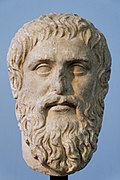


Photo: Wikimedia Commons
In short
Platonism — Philosophical theory that includes affirming the existence of abstract objects. The site has 25 people; the best known are Plato, Xenocrates, Carneades, Arcesilaus, Antiochus of Ascalon and Speusippus.
Data — Wikidata (CC0): dates, places and links as in the source. Portraits — Wikimedia Commons. Map borders are modern (Natural Earth).
How we counted
Data: Wikidata (CC0) and Wikimedia Commons (each image has its own licence — linked under the picture). The page shows only people and works that have their own page on the site; full counts come from the database. Lives without a known year of death are drawn as open lines.
This is a sample of our base, not all of history: Wikidata covers Europeans, men and the 19th–20th centuries best.
Data: Wikidata (CC0); portraits: Wikimedia Commons (each file has its own licence).