Encyclopedia · Time and power
Duke
Noble or royal title in some European countries and their colonies.Office — 84 people in the data.
Who held office in the selected year?
Height shows the number of dated terms. A term with only one known date is shown in that year.
- Fergusonb. 1959
- M. I. J. o. Bavaria1756–1825
- Burgundy1682–1712
- Friedrich August I1750–1827
- Luxembourg1817–1905
- Parma1545–1592
- C. T. E. o. Bavaria1724–1799
- Géza≈940–997
- L. V. D. o. Austria1157–1194
- P. L. Farnese1503–1547
- L. V. D. o. Austria1176–1230
- Henry II1107–1177
- Duke1865–1947
- Siemowit≈845–900
- F. I. D. o. Austria1211–1246
- Duke1370–1406
- S. A. o. Austria1427–1496
- O. Farnese1524–1586
- A. Farnese1679–1731
- F. I. D. o. Austria1382–1439
- Saxony1471–1539
- R. I. Farnese1569–1622
- O. D. o. Austria1301–1339
- Pribina800–860


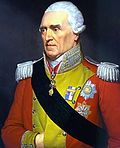


Photo: Wikimedia Commons
In short
Duke — Noble or royal title in some European countries and their colonies. Office holders: Sarah Ferguson, Maximilian I Joseph of Bavaria, Louis, Dauphin of France, Duke of Burgundy, Friedrich August I of Saxony, Adolphe, Grand Duke of Luxembourg and Alexander Farnese, Duke of Parma.
Data — Wikidata (CC0): dates, places and links as in the source. Portraits — Wikimedia Commons. Map borders are modern (Natural Earth).
How we counted
Dates, links, participants and rulers come from Wikidata: heads P35/P6 and holders of head offices, parts P361, participants P710, predecessors and successors P1365/P1366/P155/P156.
Duration is in full years between start and end; for existing ones — up to the current year.
People by role — up to 24 best known in the role; the number is how many in total.
This is a sample of our base, not all of history: Wikidata covers Europeans, men and the 19th–20th centuries best.
Data: Wikidata (CC0); portraits: Wikimedia Commons (each file has its own licence).