Encyclopedia · Time and power
Khan
Ruler in Mongol and Turkic cultures, variously describing kings, princes, and governors.Office — 234 people in the data.
Who held office in the selected year?
Height shows the number of dated terms. A term with only one known date is shown in that year.
- K. Khan1215–1294
- H. Khan1217–1265
- B. Khan≈1205–1255
- Jochi1182–1227
- C. Khan1183–1242
- Nurhaci1559–1626
- Simeon I863–927
- Taiji1592–1643
- Tokhtamysh1342–1406
- Berke1209–1267
- Ghazan I1271–1304
- Ö. B. Khan1282–1341
- Böke1219–1266
- A. Khan1234–1282
- Öljaitü1280–1316
- N. Khand. 1300
- Arghun1258–1291
- Shaybani1451–1510
- Begd. 1357
- O. Khan1130–1203
- A. S. B. Khan1305–1335
- A. Khan1507–1582
- Kaidu≈1235–1301
- O. Khan1204–1251
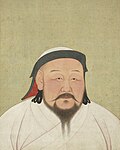


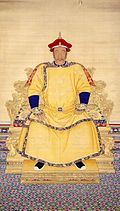


Photo: Wikimedia Commons
In short
Khan — Ruler in Mongol and Turkic cultures, variously describing kings, princes, and governors. Office holders: Kublai Khan, Hulegu Khan, Batu Khan, Jochi, Chagatai Khan and Nurhaci.
Data — Wikidata (CC0): dates, places and links as in the source. Portraits — Wikimedia Commons. Map borders are modern (Natural Earth).
How we counted
Dates, links, participants and rulers come from Wikidata: heads P35/P6 and holders of head offices, parts P361, participants P710, predecessors and successors P1365/P1366/P155/P156.
Duration is in full years between start and end; for existing ones — up to the current year.
People by role — up to 24 best known in the role; the number is how many in total.
This is a sample of our base, not all of history: Wikidata covers Europeans, men and the 19th–20th centuries best.
Data: Wikidata (CC0); portraits: Wikimedia Commons (each file has its own licence).