Encyclopedia · Places and buildings
University of Tübingen
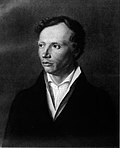
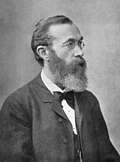
Public research university in Tübingen, Germany.1,008 alumni on the timeline: Georg Wilhelm Friedrich Hegel, Johannes Kepler and Albert Schweitzer. Most were born in the 20th century (430).







Facts
Famous classmates
Studied at the same time: their years of study overlap (no years — born within two years).
- Ramsay + Baumanntogether 1871–1872
- Ensslin + Kinkeltogether in 1960
- Hauff + Möriketogether 1822–1824
- Brentano + von Treitschketogether in 1858
- Brentano + de Barytogether in 1858
- Stein + Höldertogether 1881–1882
- Stein + Peterstogether 1879–1881
- Ensslin + Süssmuthtogether 1960–1961
- Kinkel + Süssmuthtogether 1957–1960
- von Treitschke + de Barytogether 1854–1858
- Mörike + Blumhardttogether 1825–1826
- Hölder + Peterstogether in 1881
- von Treitschke + Jägertogether 1854–1857
- de Bary + Jägertogether 1854–1857
- Schwab + Gmelintogether 1809–1810
- Kerner + Gmelintogether 1806–1808


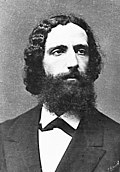


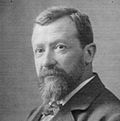


Alumni · 1,008
All alumni- Hegel1770–1831
- Kepler1571–1630
- Schweitzer1875–1965
- Bonhoeffer1906–1945
- Wundt1832–1920
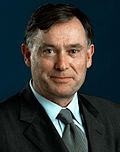
- Köhler1943–2025
- Kiesinger1904–1988
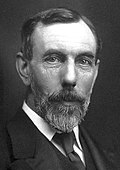
- Ramsay1852–1916
- Schelling1775–1854
- Melanchthon1497–1560
- Alzheimer1864–1915
- Hölderlin1770–1843
- Ferdinand I1865–1927
- Nüsslein-Volhardb. 1942
- von Neurath1873–1956
- Paul Tillich1886–1965
- Blobel1936–2018
- Walsh1943–1998
- Rommel1928–2013
- Brentano1838–1917
- Bultmann1884–1976
- Stein1862–1943
- Lanzmann1925–2018
- Gmelin1748–1804


Photo: Wikimedia Commons
Includes
See also
Alumni — 300 rows
In short
University of Tübingen — Public research university in Tübingen, Germany. The site has 1,008 alumni; the best known are Georg Wilhelm Friedrich Hegel, Johannes Kepler, Albert Schweitzer, Dietrich Bonhoeffer, Wilhelm Wundt and Horst Köhler. Most alumni were born in the 20th century. Studied at the same time: William Ramsay — Eugen Baumann, Gudrun Ensslin — Klaus Kinkel and Wilhelm Hauff — Eduard Mörike.
Data — Wikidata (CC0): dates, places and links as in the source. Portraits — Wikimedia Commons. Map borders are modern (Natural Earth).
How we counted
Data: Wikidata (CC0) and Wikimedia Commons (each image has its own licence — linked under the picture). The page shows only people and works that have their own page on the site; full counts come from the database. Lives without a known year of death are drawn as open lines.
This is a sample of our base, not all of history: Wikidata covers Europeans, men and the 19th–20th centuries best.
Data: Wikidata (CC0); portraits: Wikimedia Commons (each file has its own licence).