Encyclopedia · Events
Hundred Days
1815 conflict during the Napoleonic Wars and the hundred-day rule of Napoleon Bonaparte.Duration — 4 months. Battles and related events shown here: 8.
Battles and parts
Battles and parts
Participants
- United Kingdom of Great Britain and Ireland
- Kingdom of Prussia
- Austrian Empire
- Russian Empire
- Kingdom of Hanover
- Duchy of Nassau
- Duchy of Brunswick
- United Kingdom of the Netherlands
- Kingdom of Sardinia
- Grand Duchy of Tuscany
- Restoration in Switzerland
- Bourbon Restoration in France
- First French Empire
- Kingdom of Naples
Facts
- From
- 20 March 1815
- To
- 8 July 1815
- Took part
- 12
- Wilhelm I1797–1888
- Napier1782–1853
- Bouchard1771–1822
- d'Hilliers1795–1878
- Drouot1774–1847
- Cathcart1794–1854
- Gourgaud1783–1852
- Linois1761–1848
- de Damas1765–1823
- von Aster1778–1855
- von Degenfeld-Schonburg1798–1876
- Tindal1773–1834
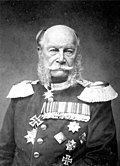


Photo: Wikimedia Commons
See also
In short
Hundred Days — 1815 conflict during the Napoleonic Wars and the hundred-day rule of Napoleon Bonaparte. Dates: 1815 (4 months). Part of “Napoleonic Wars”. Battles and stages: War of the Seventh Coalition, Neapolitan War, 1815 War in Vendée and Chouannerie, Waterloo Campaign, Battle of Ligny, Battle of Quatre Bras, Battle of Wavre and Battle of Rocquencourt. Participants: United Kingdom of Great Britain and Ireland, Kingdom of Prussia, Austrian Empire, Russian Empire, Kingdom of Hanover, Duchy of Nassau, Duchy of Brunswick and United Kingdom of the Netherlands. Took part: Wilhelm I, Charles James Napier, Pierre-François Bouchard, Achille Baraguey d'Hilliers, Antoine Drouot and George Cathcart.
Data — Wikidata (CC0): dates, places and links as in the source. Portraits — Wikimedia Commons. Map borders are modern (Natural Earth).
How we counted
Dates, links, participants and rulers come from Wikidata: heads P35/P6 and holders of head offices, parts P361, participants P710, predecessors and successors P1365/P1366/P155/P156.
Duration is in full years between start and end; for existing ones — up to the current year.
People by role — up to 24 best known in the role; the number is how many in total.
This is a sample of our base, not all of history: Wikidata covers Europeans, men and the 19th–20th centuries best.
Data: Wikidata (CC0); portraits: Wikimedia Commons (each file has its own licence).